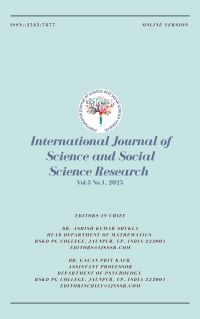
Chatbot That Can Differentiate Between Domestic Violence and Land Grabbing
DOI:
https://doi.org/10.63671/ijsssr.v3i1.367Keywords:
Machine Learning, Sentiment Analysis, Natural Language Processing (NLP), Text Classification, Deep LearningAbstract
This project creates a chatbot prototype designed to assist users in identifying and addressing two serious societal issues: domestic violence and land grabbing. The chatbot engages users in a conversational manner, first asking clarifying questions to determine whether their concern relates to personal safety or property disputes. Based on the user’s responses, the chatbot classifies the issue and provides targeted information, resources, and next steps. For cases of domestic violence, the chatbot offers support by sharing information about helplines, shelters, and legal aid services that can help individuals escape abusive situations. It may also provide safety tips and legal guidance, ensuring that users are informed about their rights and available support options. In the case of land grabbing, the chatbot explains the concept of illegal land acquisition and provides resources related to property rights and dispute resolution. It can also direct users to relevant legal aid organizations and advocacy groups that specialize in property-related issues. The chatbot not only informs but also offers users the option to report incidents to the appropriate authorities or organizations, guiding them through the necessary steps. After assisting the user, it encourages feedback to improve the chatbot’s future interactions. Designed with user support and accessibility in mind, this system aims to offer immediate, relevant assistance in navigating complex and often urgent situations, providing a valuable resource for those in need of help with either domestic violence or land disputes. By focusing on these critical issues, the project seeks to empower users with the information and tools needed to take action and seek support when facing difficult circumstances.
Downloads
Published
Issue
Section
License
Copyright (c) 2025 International Journal of Science and Social Science Research

This work is licensed under a Creative Commons Attribution 4.0 International License.